Description
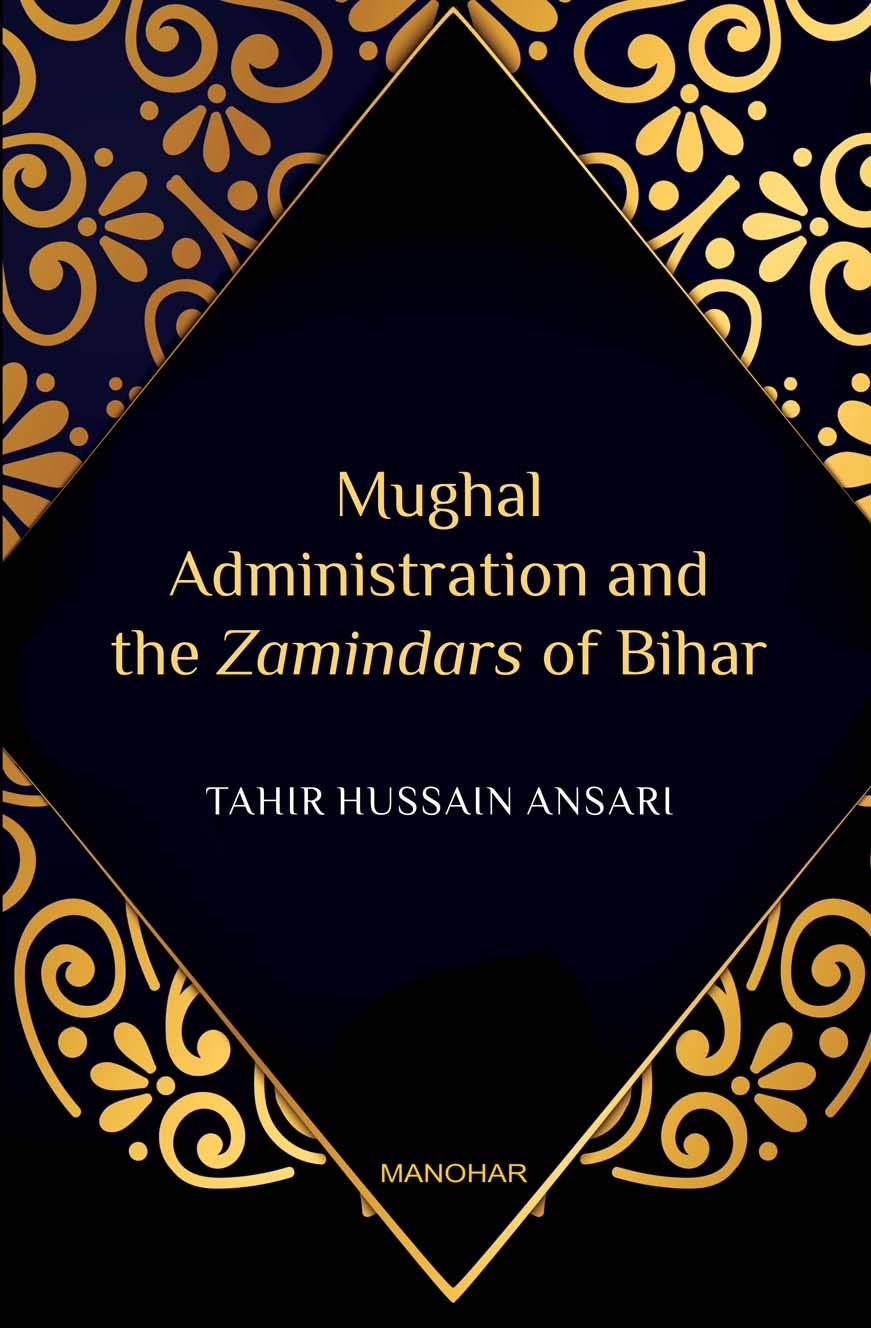
The relationship between the Mughal administration and the zamindars of Bihar was a volatile yet interdependent dynamic defined by carrot-and-stick diplomacy, where the imperial state balanced military subjugation with strategic political integration to consolidate its rule in eastern India. As detailed in Tahir Hussain Ansari’s landmark academic study Mughal Administration and the Zamindars of Bihar, these hereditary regional lords—ranging from autonomous chieftains like the Ujjainias of Bhojpur and the Darbhanga Raj to intermediary revenue collectors—wielded immense localized influence, commanded private armies, and controlled vital agrarian revenues. To secure their loyalty and stable tax collection, the Mughal emperors integrated cooperative local elites into the imperial hierarchy by awarding them courtly titles and official military ranks (mansabs); in return, these cooperative elites provided regional troops to support imperial expansion campaigns. However, this stability was fragile, as Bihar’s dense forests and rugged geography allowed these deeply entrenched chieftaincies to frequently rebel, withhold revenue, and assert outright independence whenever central authority fractured or imperial armies withdrew.