Description
This meticulously curated 17-volume scholarly bundle explores the rich evolution of Indian political systems, ancient governance, and royal dynastic power. Spanning foundational treatises on the Mauryan, Gupta, Vakataka, and Vijayanagara empires, alongside feudal and regional administrative structures across South India, this collection provides an exhaustive look into state formation, kingship rituals, and political administration. Each volume offers rigorous historical analysis based on epigraphic, archaeological, and literary evidence, making it an indispensable resource for understanding the mechanics of early Indian sovereignty.
Who needs to read this collection? This bundle is specially designed for historians, political scientists, researchers, and postgraduate students specializing in ancient and medieval Indian history, public administration, and political theory. It is also an invaluable asset for civil services aspirants seeking a profound comprehension of India’s constitutional history, statecraft, and administrative evolution from antiquity to the pre-modern era.
Why read these books? Grasping the trajectory of modern governance requires looking closely at how ancient polities solved problems of integration, legitimacy, and social order. By bringing together rare specialized studies—from constitutional histories of Hindu polities to regional dynamics in South and Central India—this bundle equips readers with holistic, multi-dimensional perspectives that bridge archaeology, culture, and high politics.
Individual Book Descriptions
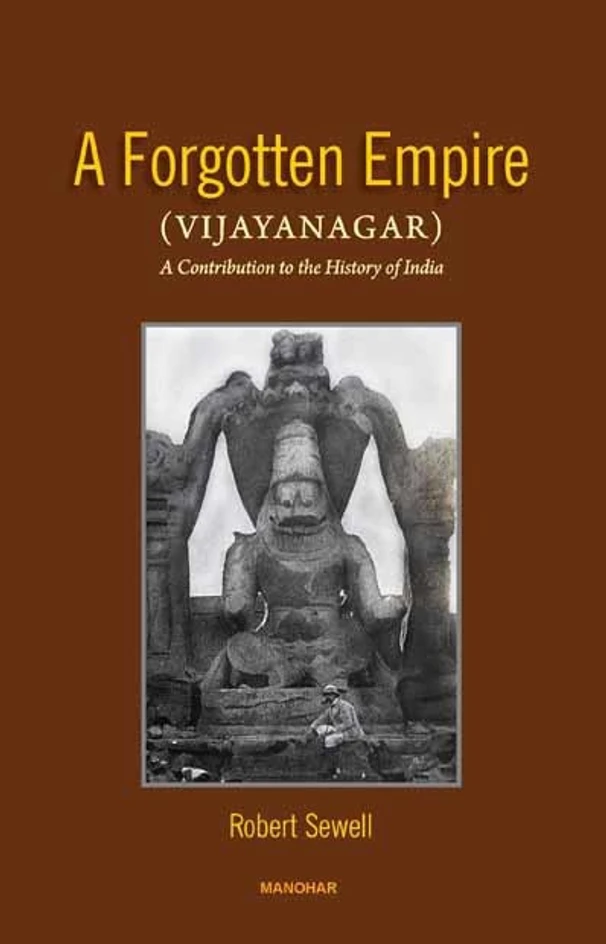
A Forgotten Empire (Vijayanagar): A Contribution to the History of India by Robert Sewell
Description: A classic historical account detailing the rise, glory, and fall of the mighty Vijayanagara Empire through contemporary accounts and historical records.
Asoka by D.R. Bhandarkar
Description: A comprehensive study of the Mauryan Emperor Ashoka, examining his governance, propagation of Dhamma, and inscriptions.
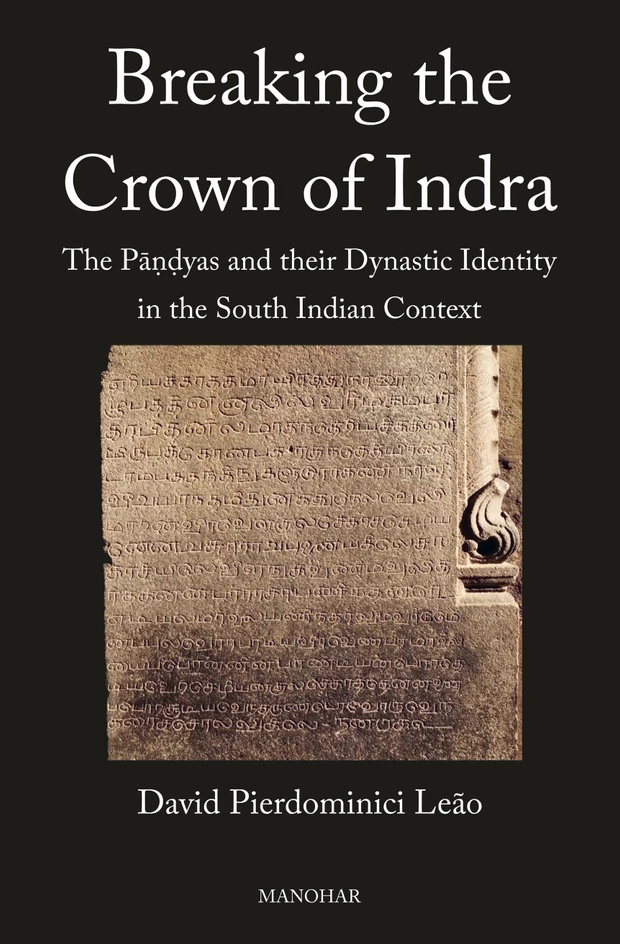
Breaking the Crown of Indra: The Pandyas and their Dynastic Identity in the South Indian Context by David Pierdominici Leao
Description: Explores the dynastic identity, political strategies, and historical significance of the Pandya kingdom in South India.
Empires in Indian History and Other Essays by Dietmar Rothermund
Description: A collection of analytical essays examining the structural patterns of empires, economic history, and historical shifts in India.
Hindu Polity: A Constitutional History of India in Hindu Times by K.P. Jayaswal
Description: A pioneering study on the constitutional frameworks, republican traditions, and administrative systems of ancient India.
How the Brahmins Won: From Alexander to the Guptas by Johannes Bronkhorst
Description: Investigates the social, religious, and political mechanisms through which Brahminical culture ascended to dominance between the Hellenistic period and the Gupta era.
Interrogating Political Systems: Integrative Processes and States in Pre-modern India by Bhairabi Prasad Sahu & Hermann Kulke
Description: An academic exploration of state formation, regional polities, and integrative political processes in pre-modern India.
Kings and Cults: State Formation and Legitimation in India and Southeast Asia by Hermann Kulke
Description: Examines how religious cults and rituals were utilized by rulers for state formation and political legitimation across India and Southeast Asia.
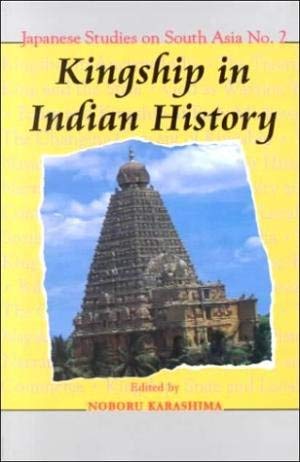
Kingship in Indian History by Noboru Karashima
Description: A collection of essays focusing on the concepts, evolution, and practical manifestations of kingship across various periods of Indian history.
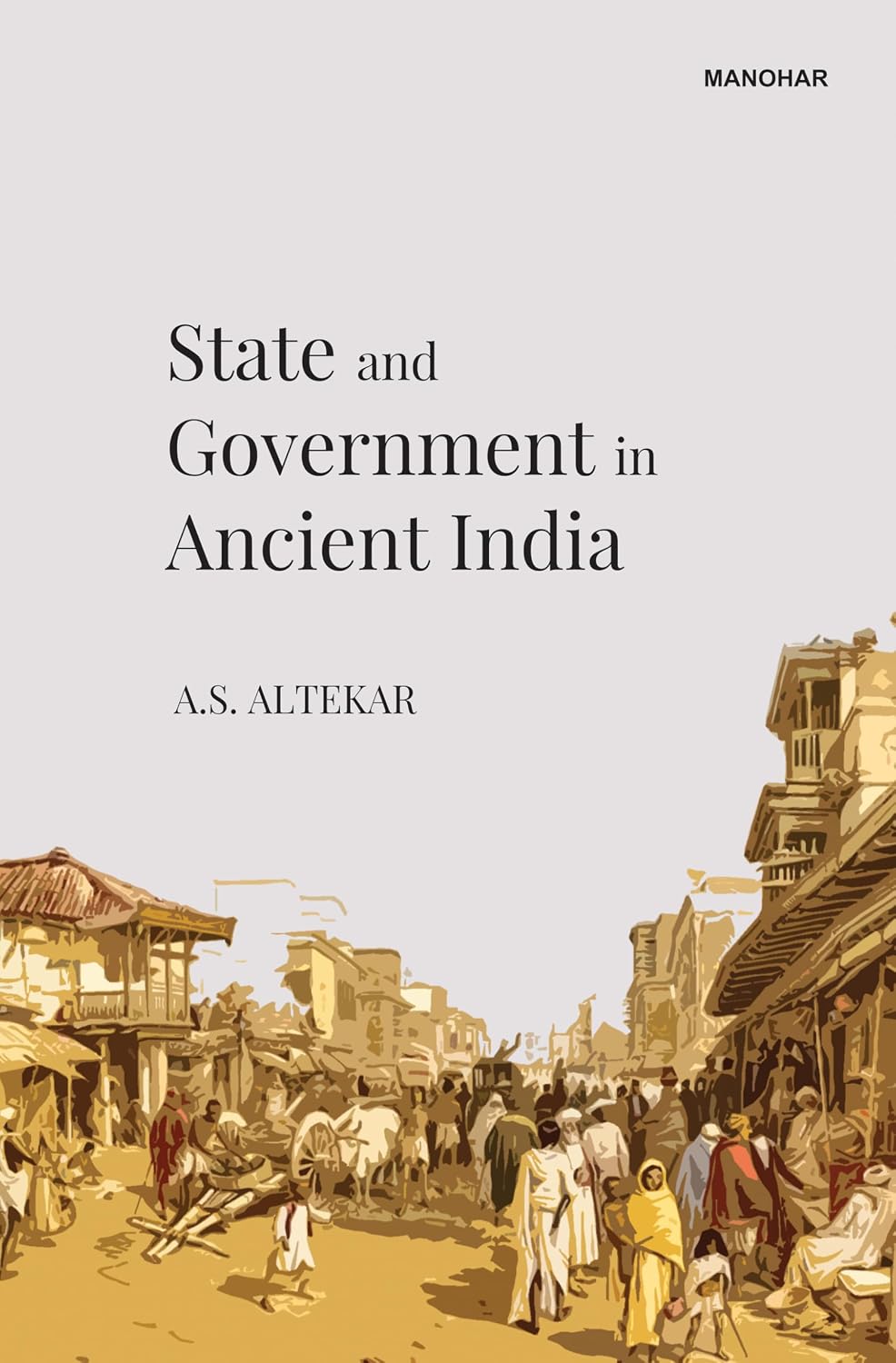
State and Government in Ancient India by A.S. Altekar
Description: A definitive textbook-style study outlining the theories of state origin, administrative machinery, and civil governance in ancient India.
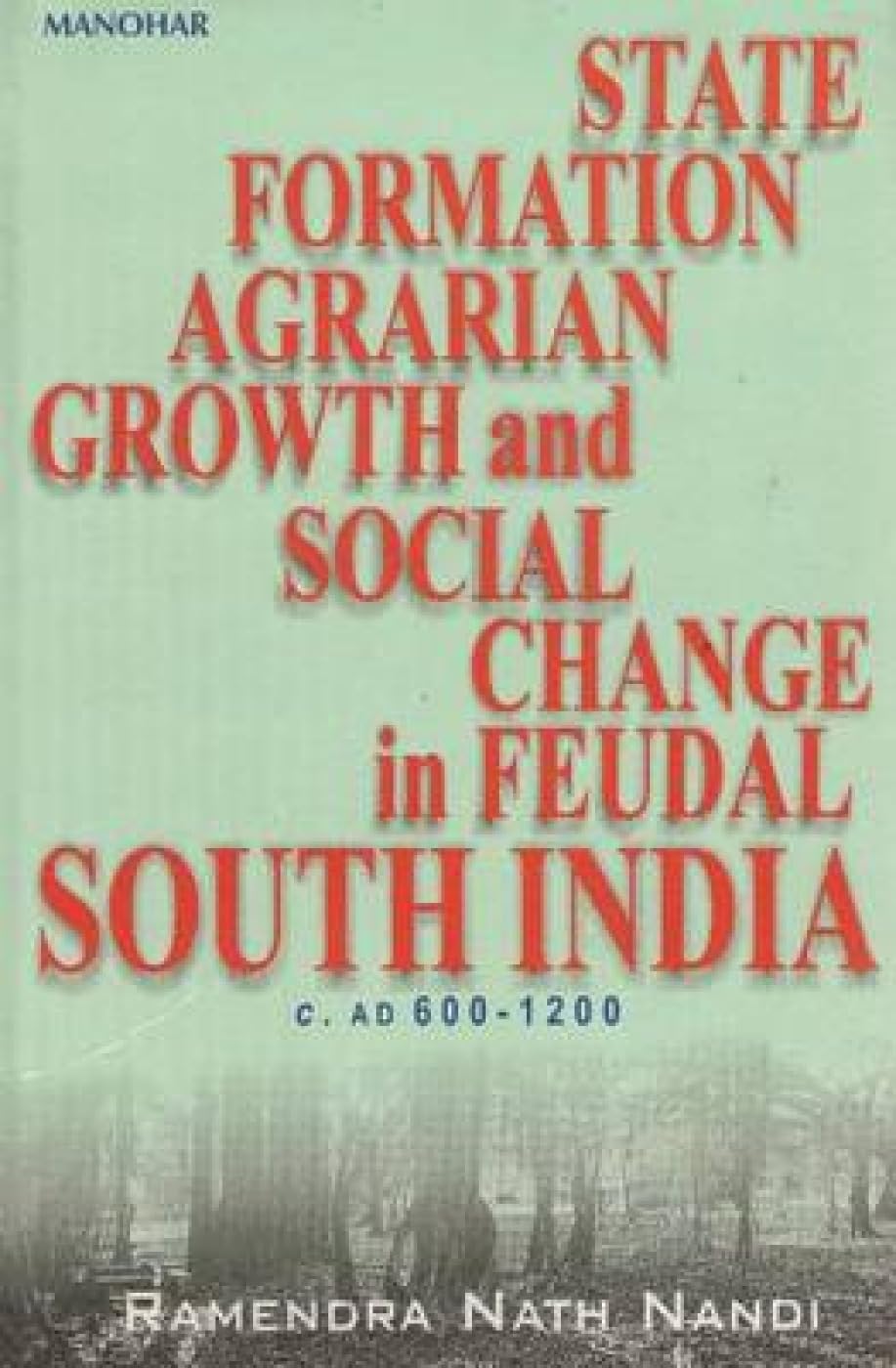
State Formation, Agrarian Growth and Social Change in Feudal South India: C. AD 600-1200 by Ramendra Nath Nandi
Description: Analyzes the socio-economic transitions, agrarian expansion, and feudal state formation processes in South India during the early medieval period.
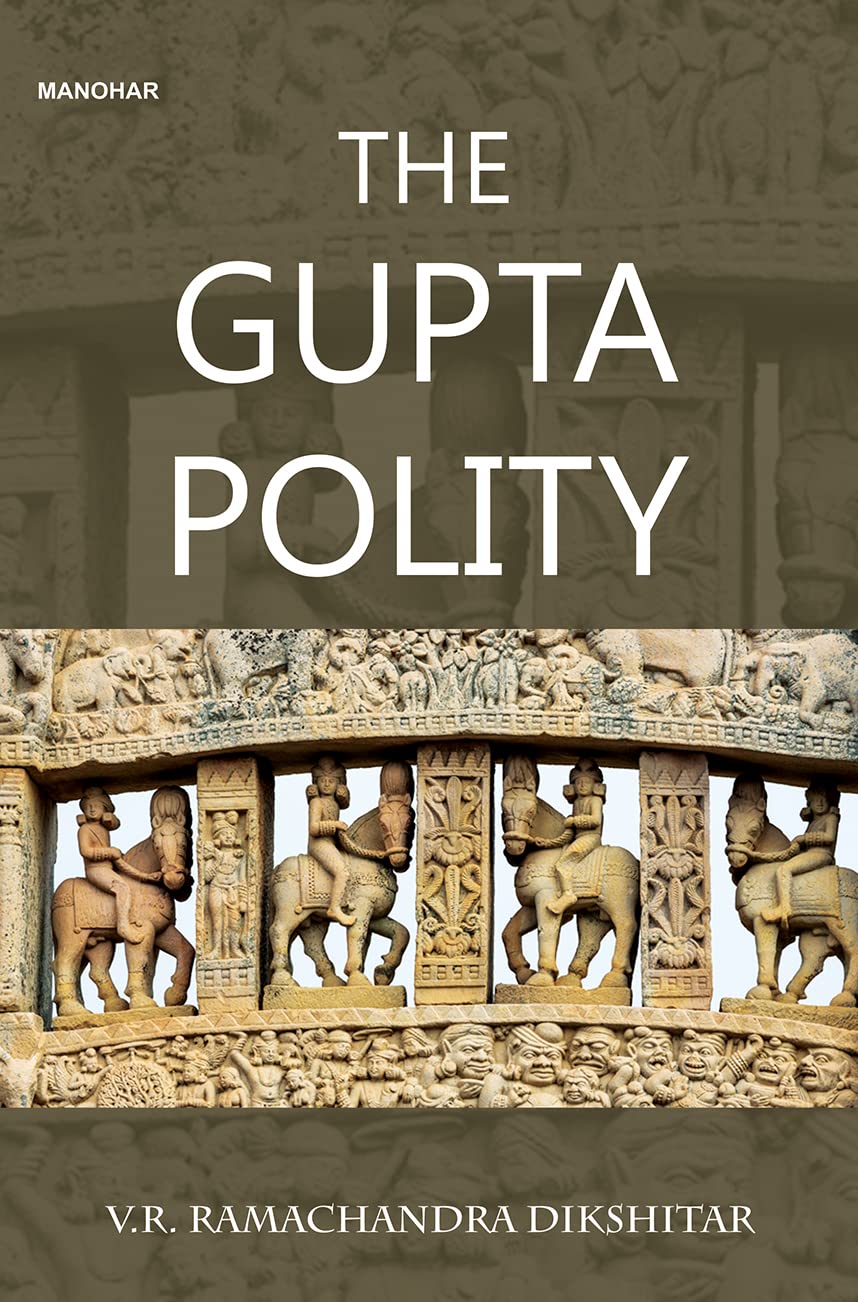
The Gupta Polity by V.R. Ramachandra Dikshitar
Description: Provides an in-depth administrative and political blueprint of the classical Gupta Empire.
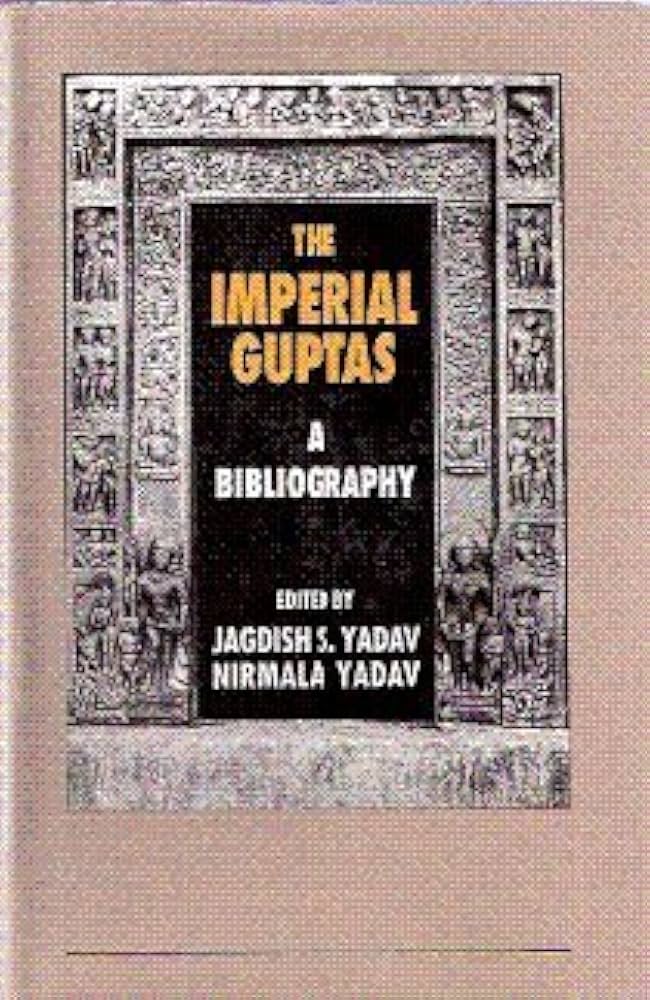
The Imperial Guptas: A Bibliography by Jagdish S. Yadav & Nirmala Yadav
Description: A specialized bibliographic reference tool compiling research sources, texts, and studies concerning the Gupta dynasty.
The King’s Three Bodies: Essays on Kingship and Ritual by Burkhard Schnepel
Description: Explores the complex symbolic, ritualistic, and political dimensions of royal authority and kingship.
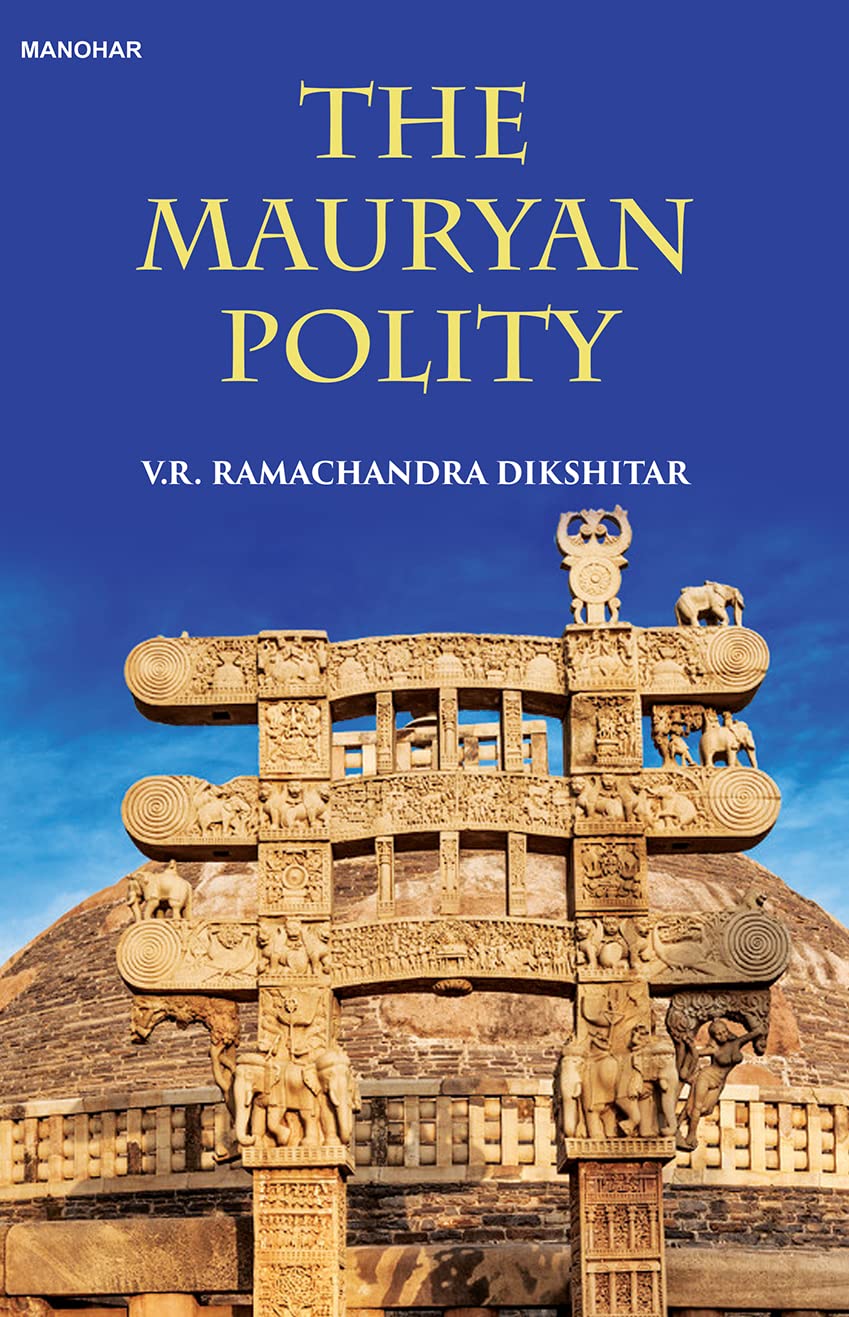
The Mauryan Polity by V.R. Ramachandra Dikshitar
Description: Examines the administrative structure, military organization, and bureaucratic framework of the Mauryan Empire.
The State and Varna Formation in the Mid-Ganga Plains: An Ethnoarchaeological View by Ram Sharan Sharma
Description: An ethnoarchaeological study looking at how early states and the social varna system emerged together in the middle Ganga plains.
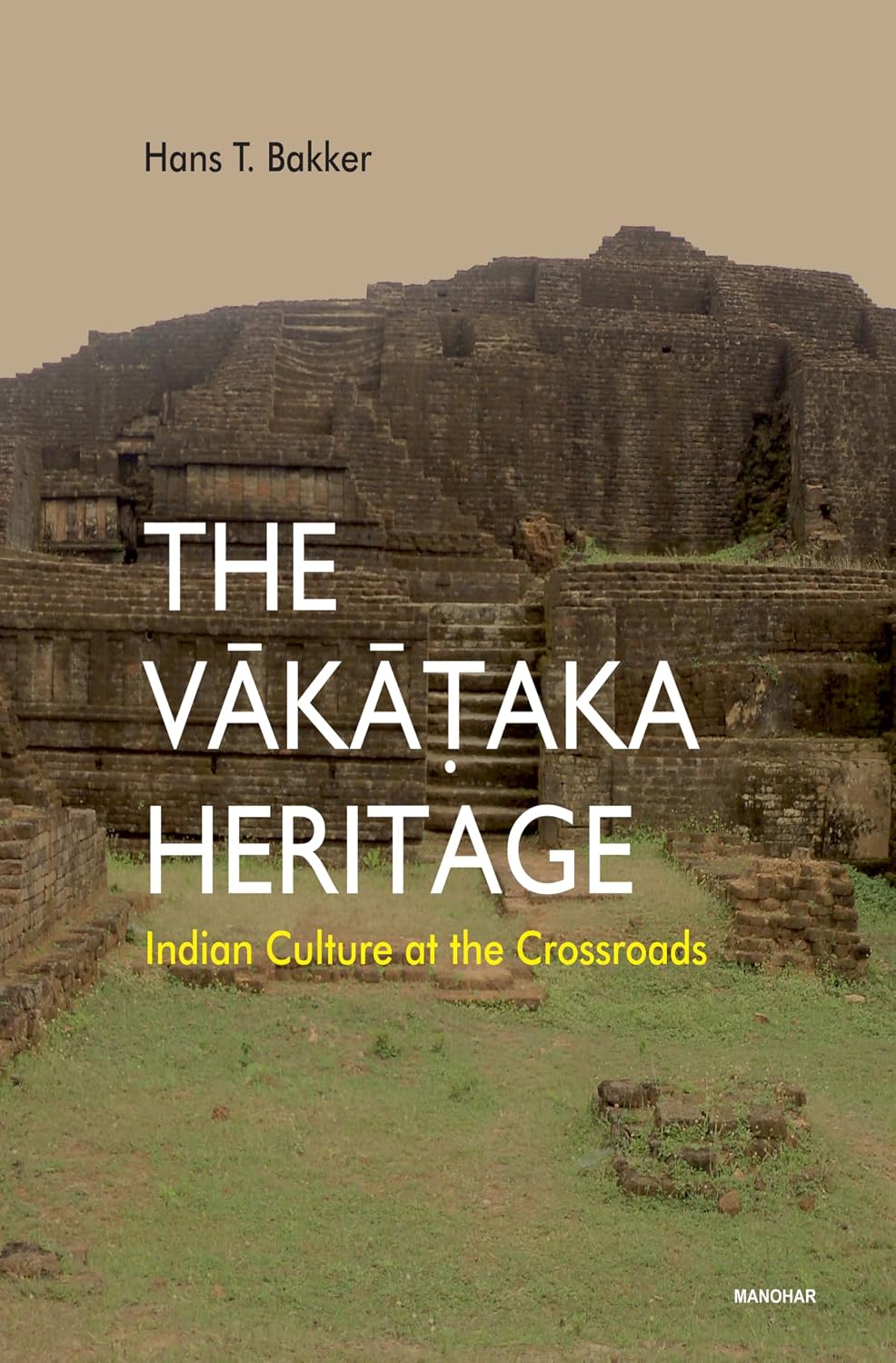
The Vakataka Heritage: Indian Culture at the Crossroads by Hans T. Bakker
Description: Highlights the cultural, artistic, and political contributions of the Vakataka dynasty as a central pillar of ancient Indian history.