Description
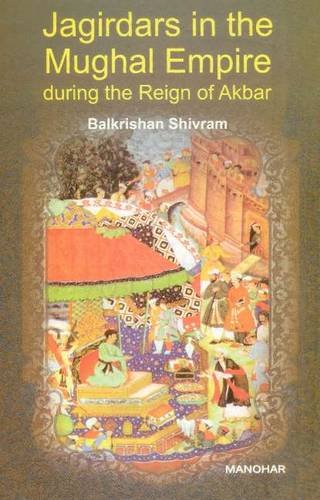
During the reign of Emperor Akbar (1556–1605), Jagirdars were state officials and nobles given assignments of land revenue (called a jagir) instead of a direct cash salary for their military and administrative services.Core Functions and StructureRevenue Rights Only: Jagirdars held the right to collect land taxes from an assigned area, not ownership of the land itself.Connection to Mansabdari: Most jagirdars were also mansabdars (holders of official military ranks). Their revenue collection matched the monetary pay scale of their assigned rank.Frequent Transfers: To stop nobles from building independent local power bases, Akbar transferred jagirdars to new regions every three to four years.Land Division: Empire territories were split into Khalisa (crown lands where revenue went straight to the imperial treasury) and Jagir (lands assigned to the nobles).Types of JagirsTankha Jagirs: Transferable pay-in-lieu assignments given for regular service.Watan Jagirs: Hereditary lands held by autonomous chiefs, such as Rajput rajas who accepted Mughal rule.Mashrut Jagirs: Conditional grants tied to specific obligations or service.In’am Jagirs: Free-of-service grants given as rewards or charity.