Description
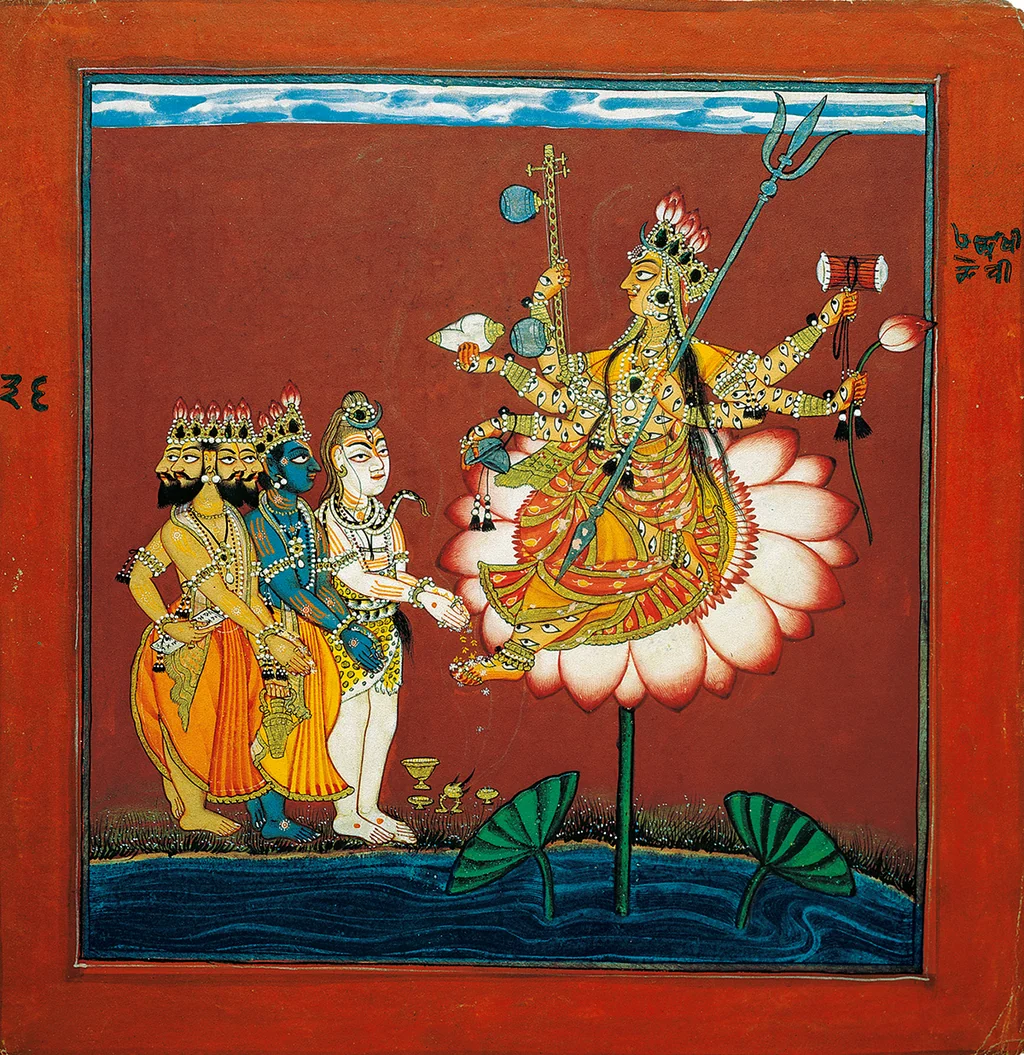
இந்தியக் கலாச்சாரத்தில் மனித உடலின் மிக முக்கிய அங்கமாக மதிக்கப்படுவது பாதங்கள்தான். பெரியவர்களின் கால்களில் விழுந்து ஆசி பெறுவது, குருவின் பாதங்களை வணங்குவது, தெய்வங்களின் திருவடிகளைத் தொழுவது, ஏன்… செய்த தவறுக்கு மன்னிப்புக் கேட்கக்கூட கால்களில் விழுவது எனப் பாதங்களுக்கும் (Feet) இந்தியர்களுக்கும் உள்ள தொடர்பு மிக ஆழமானது. அதேபோல, பண்டைய இந்தியக் காவியங்களிலும், ஓவியங்களிலும் காதலியின் பாதங்களைத் தீண்டுவது போன்ற பல காதல் வர்ணனைகளும் நிறைந்துள்ளன.
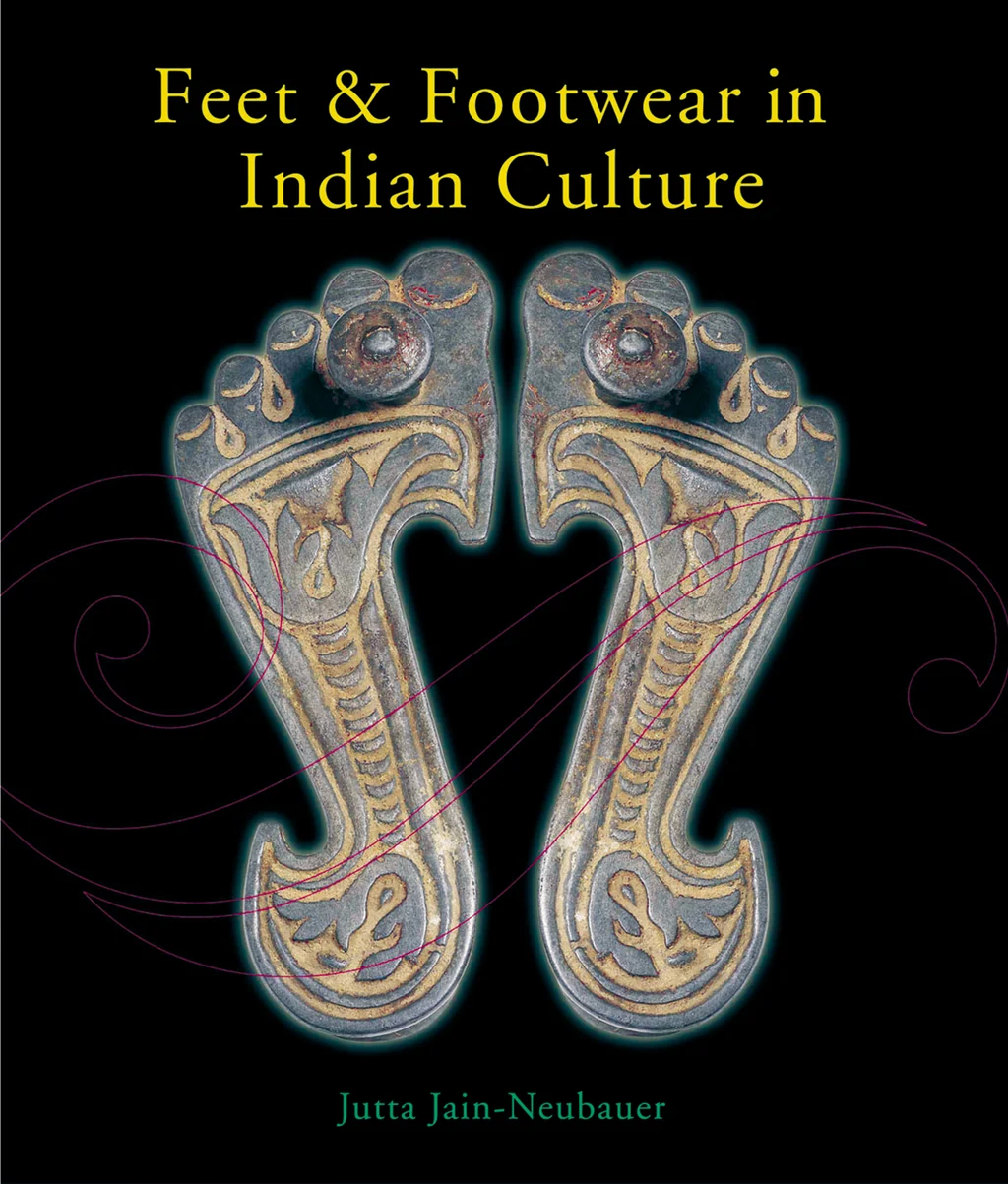
சுமார் 50 ஆண்டுகளுக்கு முன்பு வரை இந்தியா ஒரு ‘வெறும் கால் தேசமாகவே’ (Barefoot country) அறியப்பட்டது. இந்து, பௌத்த, மற்றும் சமணத் துறவிகளுக்குக் காலணிகள் (Footwear) அணிவது ஆடம்பரமாகக் கருதப்பட்டுத் தடை செய்யப்பட்டிருந்தது. இந்தப் பின்னணியில், பாதங்களுக்கும் காலணிகளுக்கும் உள்ள வரலாற்று மற்றும் கலாச்சார முக்கியத்துவத்தை மிக சுவாரஸ்யமாக விளக்குகிறது இந்தப் புத்தகம். டொராண்டோவில் உள்ள புகழ்பெற்ற ‘பாட்டா ஷூ அருங்காட்சியகத்தின்’ (The Bata Shoe Museum, Toronto) உதவியுடன் இந்த நூல் உருவாக்கப்பட்டுள்ளது.
கோலாபுரி செருப்பு முதல் லடாக் தாவரக் காலணிகள் வரை!
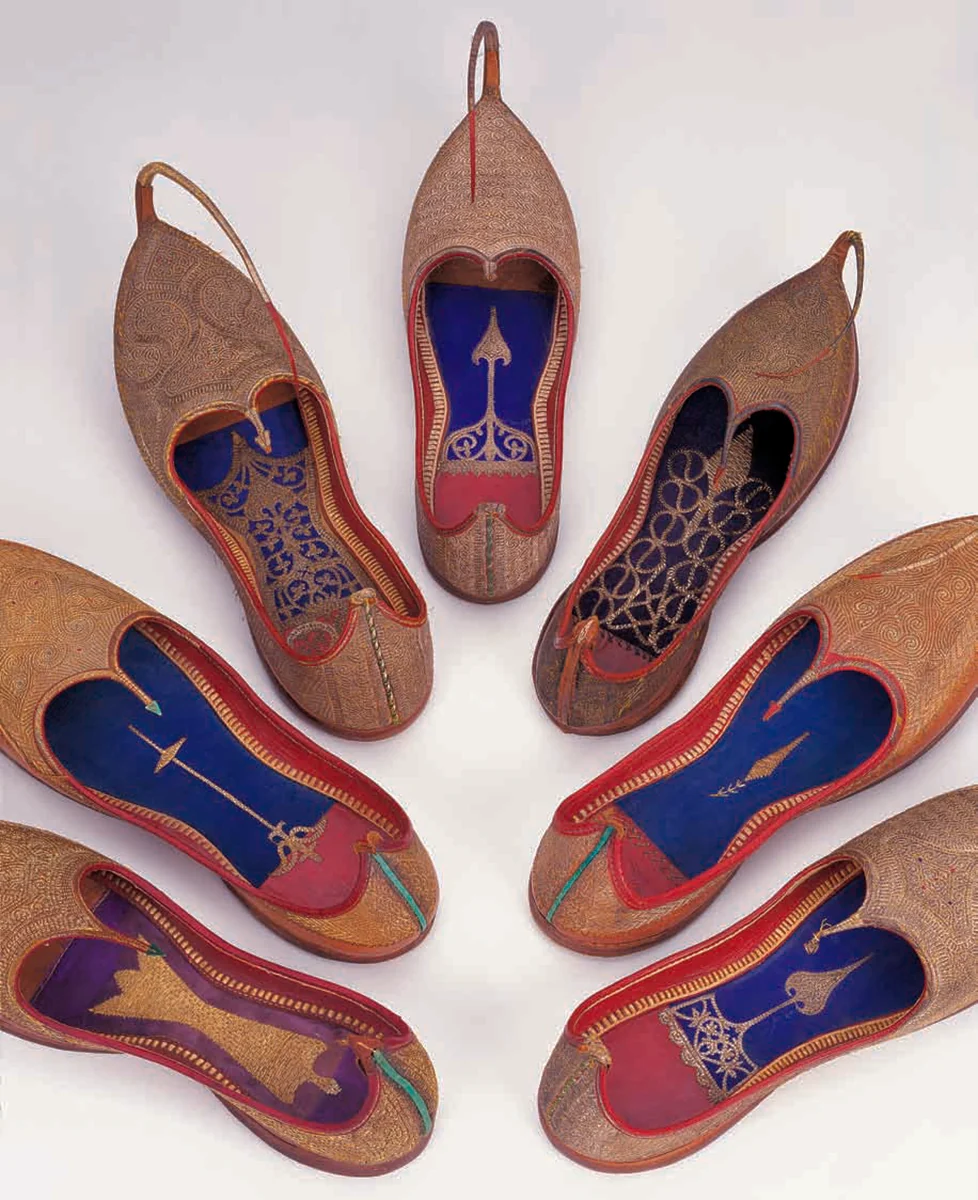
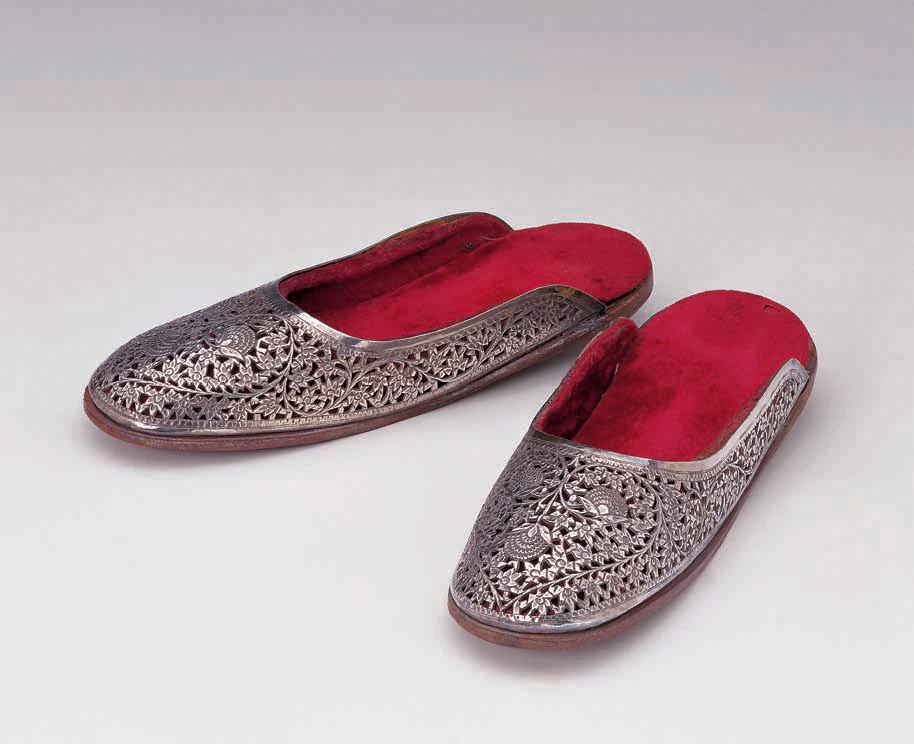
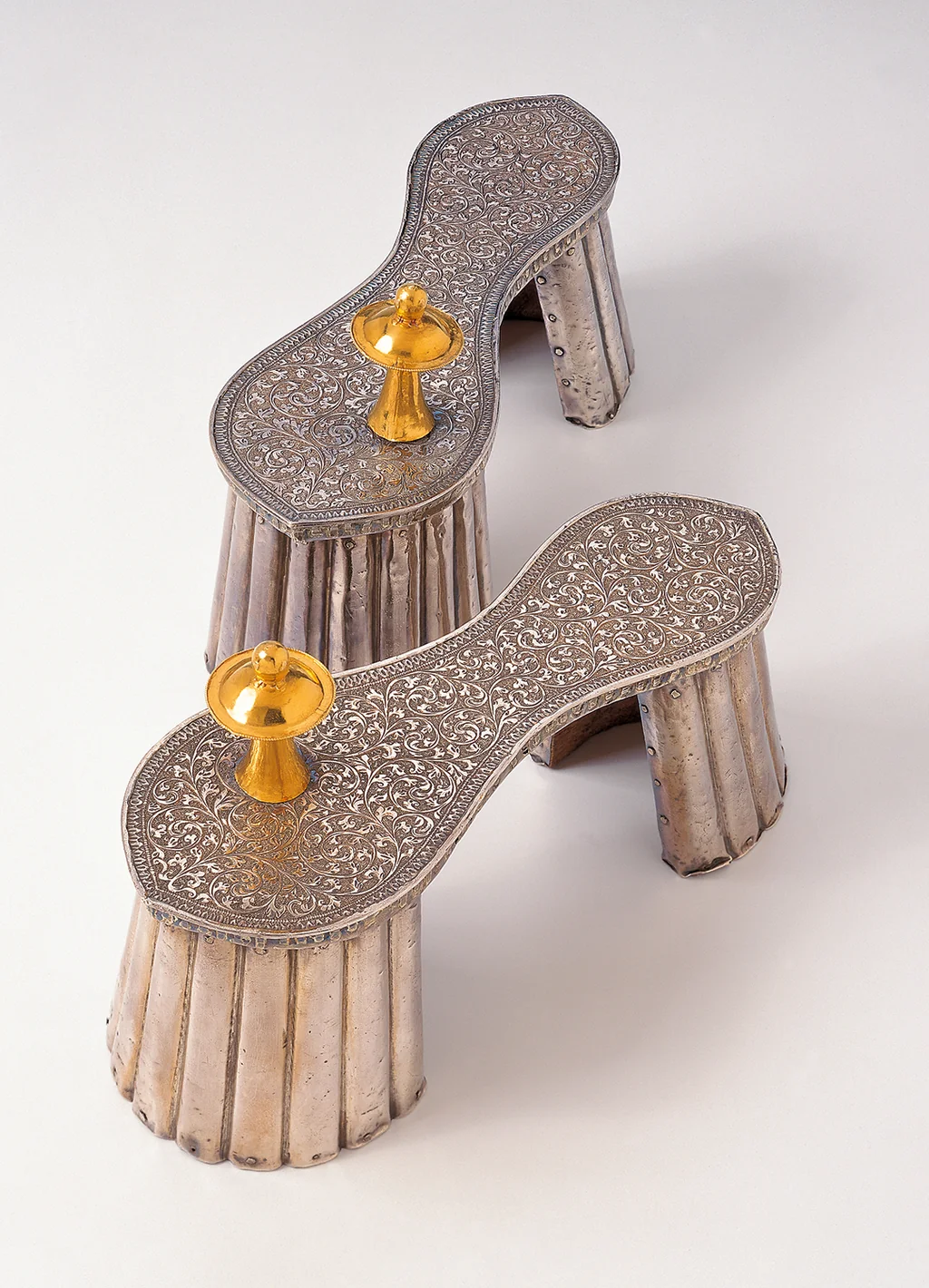
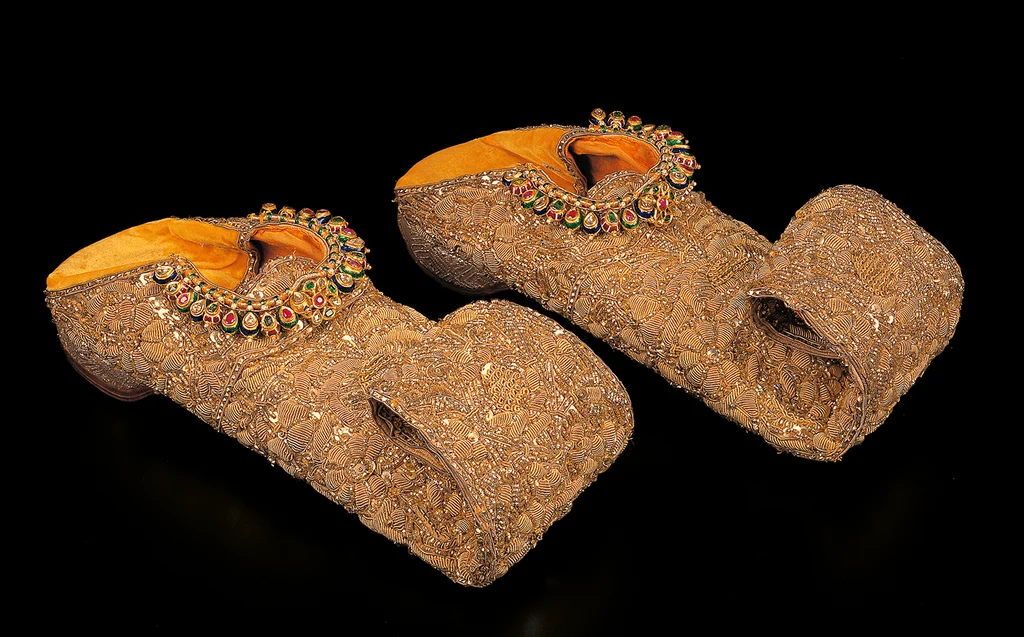
பழங்காலத் துறவிகள் அணிந்த ‘மரக் குறடுகள்’ (toe-knob sandals – பாதுகா) தொடங்கி, அரசர்கள் அணிந்த வேலைப்பாடுகள் மிகுந்த விலைமதிப்பற்ற காலணிகள் வரை பல அரிய புகைப்படங்கள் இந்த நூலில் இடம்பெற்றுள்ளன. இதற்காகப் பல இந்தியக் கிராமங்களுக்கு நேரில் சென்று, அந்தந்தப் பகுதி கலைஞர்கள் காலணிகளை உருவாக்கும் விதத்தை ஆசிரியர் நேரடியாகப் பதிவு செய்துள்ளார்.
குறிப்பாக, புகழ்பெற்ற கோலாபுரி செருப்புகள் (Kolhapur Chappals), ராஜஸ்தானின் ஜோத்பூர் எம்ப்ராய்டரி காலணிகள் (Jodhpur Juttis), சிக்கிம் மாநிலத்தின் இந்தோ-திபெத்தியப் பூட்ஸ் (Indo-Tibetan felt boots), மற்றும் லடாக் பகுதியில் தாவர நார்களை (Vegetable fibre) வைத்துத் தைக்கப்படும் விநோதமான காலணிகள் எனப் பல ஆச்சரியங்கள் இதில் காத்துக்கொண்டிருக்கின்றன.
ஜுட்டா ஜெயின்-நியூபவர் (Jutta Jain-Neubauer): 1951-ல் ஆஸ்திரியாவில் பிறந்த இவர், ஜெர்மனியில் இந்தியவியல் (Indology) மற்றும் இந்தியக் கலை வரலாற்றைப் பயின்றார். குஜராத்தின் பழங்காலப் படிக்கிணறுகள் குறித்து ஆய்வு செய்து முனைவர் பட்டம் பெற்றவர். இந்தியக் கட்டிடக்கலை, ஓவியங்கள், மற்றும் ஜவுளித்துறை குறித்துப் பல நூல்களையும் கட்டுரைகளையும் எழுதியுள்ளார்.
Feet & Footwear In Indian Culture
By Jutta Jain-Neubauer
Book Specifications:
- Category: Cultural History / Anthropology
- Language: English
- Publisher: Mapin in association with The Bata Shoe Museum, Toronto
Innumerable references to the foot and to foot worship in Indian culture convey the impression that the foot is regarded as an important—if not the most important—part of the human body.
The foot is usually the part of the body that is deeply venerated across traditions. The feet of elders are worshipped by the younger generation; the feet of religious teachers and holy men by their followers; the feet of idols by their devotees; and the feet of innocent persons by wrongdoers seeking forgiveness. There is also the romantic attachment towards the beloved’s foot, a motif frequently referenced in Indian miniature painting, drama, and poetry, where men treasure the touch of their beloved’s foot. Until half a century ago, India was often described as a barefoot country, as ascetic Hindu, Buddhist, and Jain sects were not generally permitted the worldly luxury of footwear.
The religious and historical significance of feet and footwear in Indian art and culture are comprehensively presented in this fascinating book, inspired by The Bata Shoe Museum Foundation. The richness and immense variety of ancient and traditional footwear are lavishly illustrated, featuring outstanding examples of the typical toe-knob sandals (padukas) worn by mendicants and holy men, alongside the beautifully embroidered shoes of the wealthy. Rare information has been culled from lesser-known Buddhist and Jain sources concerning the traditions and regulations governing the monastic life of monks.
As part of the research, the Foundation organized field trips to various parts of India to document the making of some of the most traditional footwear types created by village craftsmen. Patterns and decorative treatments were carefully studied and photographed. Examples include the making of leather Chappals in Kolhapur; embroidered Juttis in Jodhpur; Indo-Tibetan felt boots in Sikkim; and vegetable fibre shoes in Ladakh.
Table of Contents:
Preface
- Introduction
- Part 1: The Foot in Indian Culture
- Part 2: Ancient Footwear and Types of Shoes
- Ancient Footwear and Types of Shoes
- Traditional Hide, Leather, and Leather Workers in India
- Part 3: Traditional Indian Footwear in the Modern Period
- Map
- Photo Credits
About the Author:
Jutta Jain-Neubauer, born in Austria in 1951, studied Indology and Indian art history in Heidelberg and Bonn (Germany). She holds a Ph.D. in Indian art history with a thesis on “The Stepwells of Gujarat in art-historical perspective” (1980). Under a research project sponsored by the Feodor-Lynen programme of the Alexander-von-Humboldt Foundation, she studied the relationship between ancient architectural texts (shilpashastras) and temple architecture in Western India. Her books include The Ramayana in Pahari Painting and Der Pfau in der Wüste (on the costumes and textiles of the Thar Desert).